Cádiz · Andalusia, Spain
Cádiz — The Island Behind the Walls
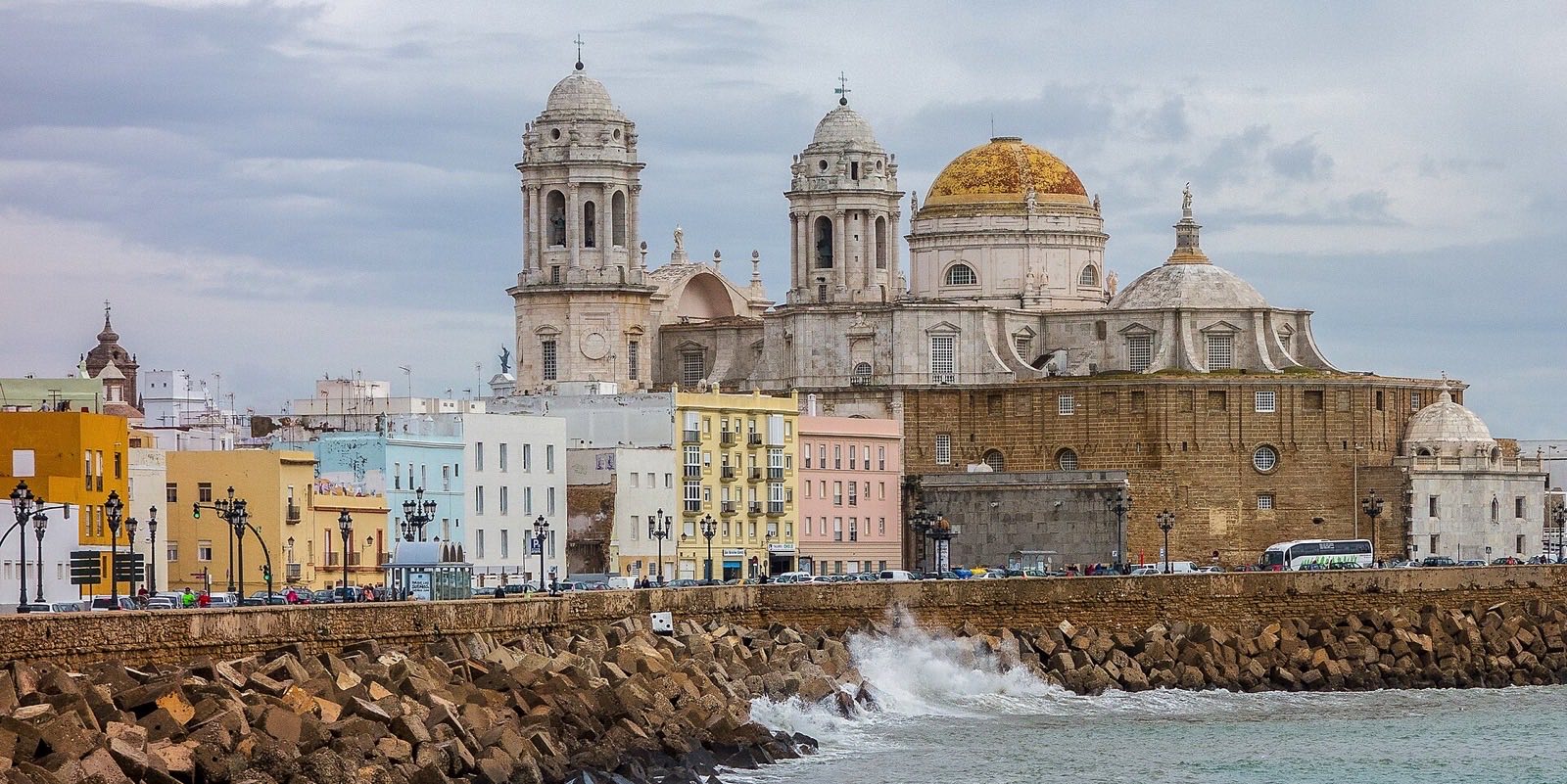
Cádiz began as Gadir — an enclosure on a small Atlantic island — and has spent almost three thousand years changing what its walls were for.
Narration in English · Stop 1 is free
 Tour no. 21
- Stops
- 11
- Distance
- 3.2 km (2 mi)
- Time
- About 150 minutes
- Route
- Easy city route
Listen before you buy
Stop 1 · Puerta de Tierra
Stop 1 is free. Listen before you buy.
The walk
A self-guided audio tour of Cádiz
Cádiz began as Gadir — an enclosure on a small Atlantic island — and has spent almost three thousand years changing what its walls were for. Roman seating disappeared beneath a medieval quarter, American trade paid for a cathedral and hundreds of rooftop watchtowers, and a church became a parliament while the rest of Spain was occupied. This level walk crosses those rebuilt cities from Puerta de Tierra to La Caleta, ending where the Phoenician islands opened onto the sea.
Route notes
The stops
About each stop · narration stays in the app
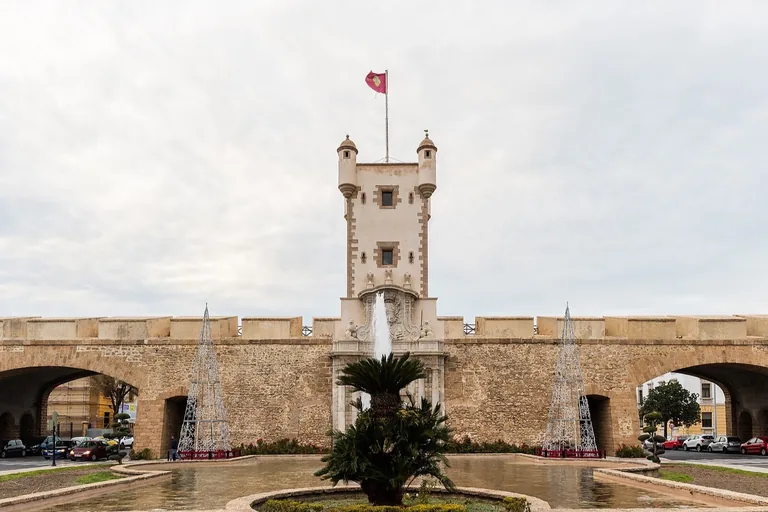
Photo: Diego Delso · Wikimedia Commons source · CC BY-SA 4.0 · Cropped to the recorded 3:2 source rectangle and resized from the exact hash-bound source input. Puerta de Tierra
Puerta de Tierra is the surviving landward gate and wall across the narrow approach to Cádiz's historic island city. The route begins here to set defensive masonry against a city whose decisive connections were usually maritime. The approach is broad and level, but traffic and cycle lanes cross the surrounding avenue; upper-wall access is optional.
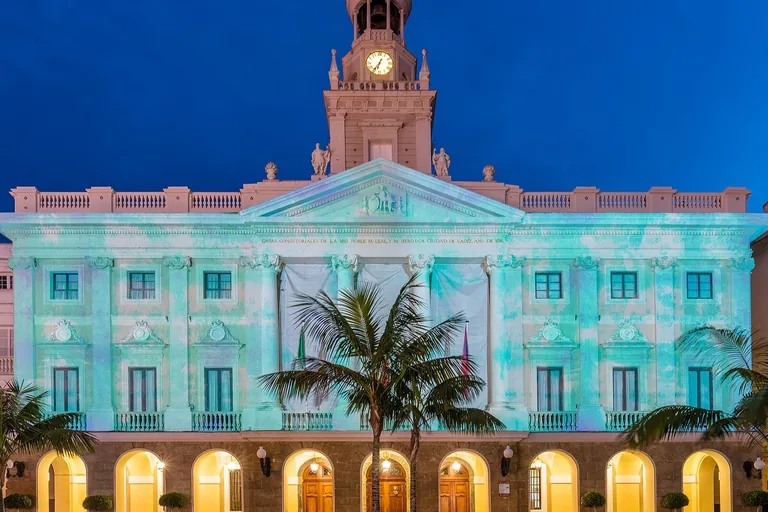
Photo: Diego Delso · Wikimedia Commons source · CC BY-SA 4.0 · Cropped to the recorded 3:2 source rectangle and resized from the exact hash-bound source input. Plaza de San Juan de Dios and City Hall
Plaza de San Juan de Dios formed Cádiz's civic face toward the former harbour gate, with City Hall commanding the inland side. It turns the island's port economy into a public square of administration, exchange and arrival. The pedestrian plaza is level with benches, though service vehicles and wet polished paving require care.
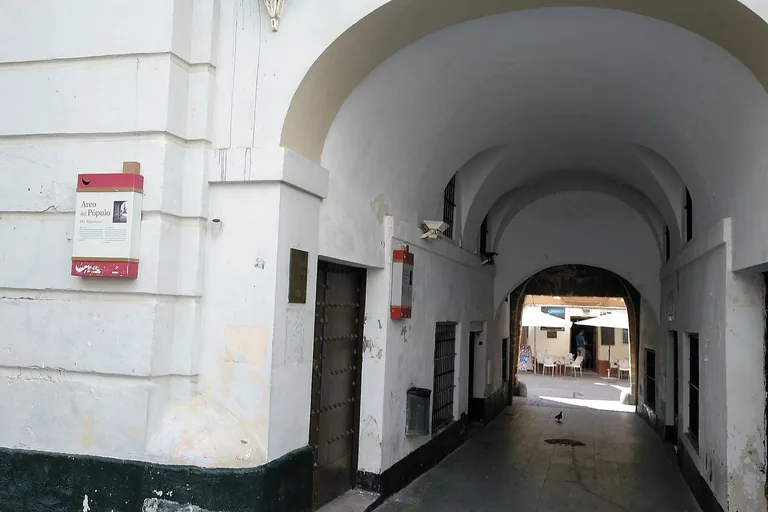
Photo: Axel Cotón Gutiérrez · Wikimedia Commons source · CC BY-SA 4.0 · Cropped to the recorded 3:2 source rectangle and resized from the exact hash-bound source input. Arco del Pópulo
Arco del Pópulo began as the medieval sea gate and was later narrowed beneath a chapel built over the passage. The route uses this compressed threshold to enter El Pópulo through several layers of reuse at once. The public passage is free but narrow, uneven and subject to delivery and pedestrian pinch points.
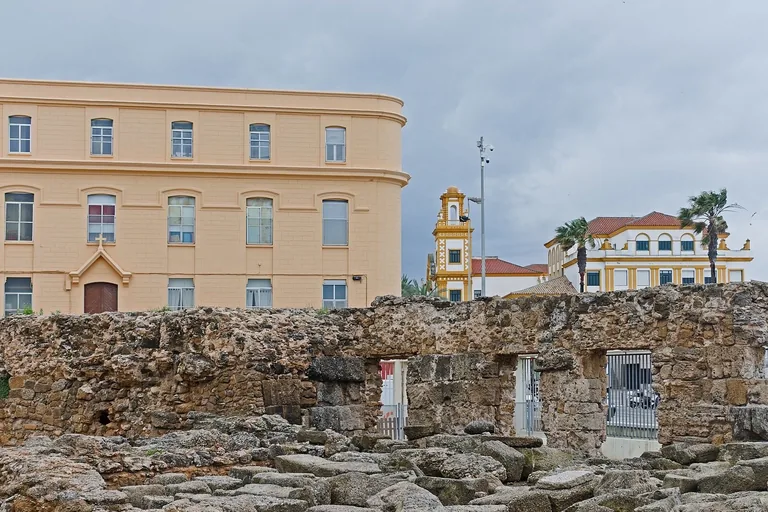
Photo: Ymblanter · Wikimedia Commons source · CC BY-SA 4.0 · Cropped to the recorded 3:2 source rectangle and resized from the exact hash-bound source input. Roman Theatre of Cádiz
Cádiz's Roman theatre was built in the first century BCE, buried within later neighbourhood fabric and rediscovered during demolition in 1980. Its concealment and recovery make reuse, loss and archaeology more important here than bare dimensions. The lane outside is mostly level; the interpretation centre and exposed remains follow current opening hours.
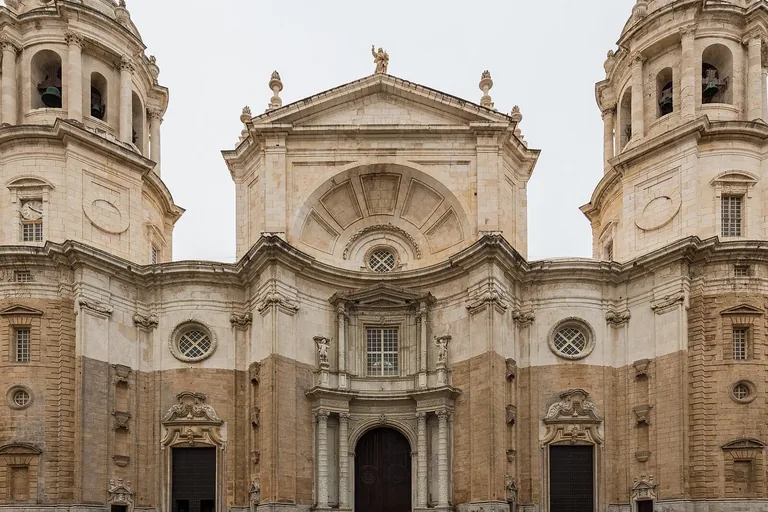
Photo: Diego Delso · Wikimedia Commons source · CC BY-SA 4.0 · Cropped to the recorded 3:2 source rectangle and resized from the exact hash-bound source input. Old and New Cathedrals of Cádiz
Cádiz's New Cathedral rose over a long campaign that shifted from Baroque ambition toward neoclassical completion beside the older Santa Cruz cathedral. The paired churches make the city's Atlantic prosperity and changing finances visible in stone. Both exterior squares are free and level, while interiors, crypt and tower follow separate tickets and schedules.
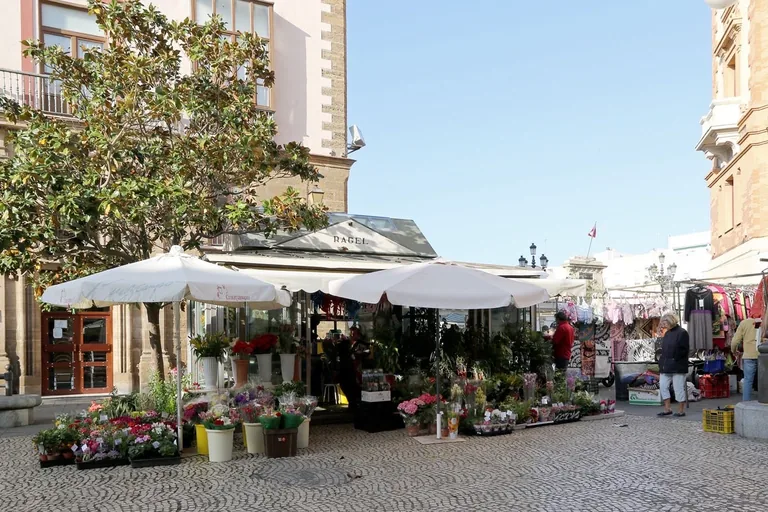
Photo: Banja-Frans Mulder · Wikimedia Commons source · CC BY 3.0 · Cropped to the recorded 3:2 source rectangle and resized from the exact hash-bound source input. Central Market and Plaza de las Flores
Cádiz Central Market occupies a neoclassical portico around a former convent garden, now filled with fish, produce, meat and prepared-food stalls. The route pauses here for the daily work, appetite and Carnival crowds of the living city. The squares are level but often crowded, with wet paving, queues and delivery activity.
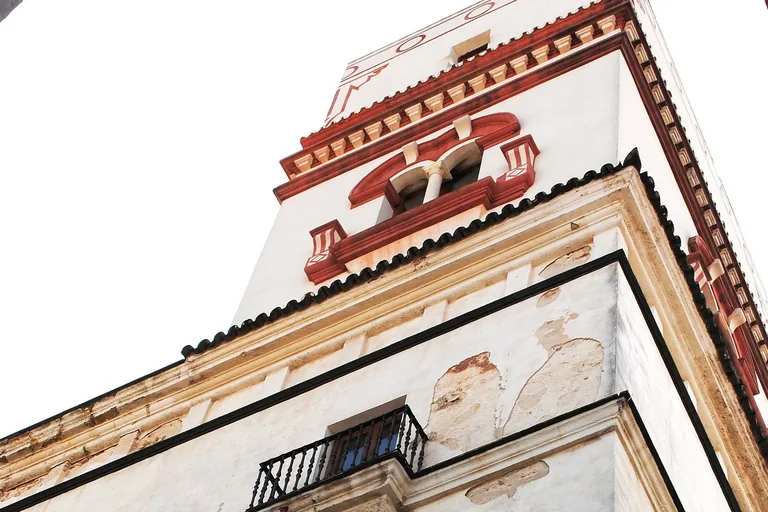
Photo: HombreDHojalata from Spain · Wikimedia Commons source · CC BY-SA 2.0 · Cropped to the recorded 3:2 source rectangle and resized from the exact hash-bound source input. Torre Tavira
Torre Tavira became Cádiz's official port watchtower in 1778, allowing observers to identify ships and signal information important to cargo and credit. It places the Atlantic trade network inside a merchant house rather than leaving it as an abstract sea view. The exterior street is narrow and level; the camera obscura and rooftop require a ticket and substantial stairs.
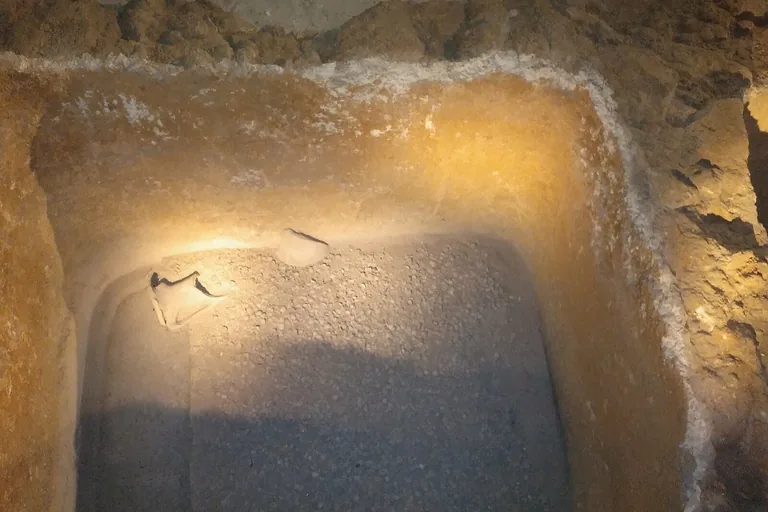
Photo: Axel Cotón Gutiérrez · Wikimedia Commons source · CC BY-SA 4.0 · Cropped to the recorded 3:2 source rectangle and resized from the exact hash-bound source input. Gadir Archaeological Site
The Gadir site preserves part of an early Phoenician residential street beneath a modern theatre building. Its excavated houses turn Cádiz's origin story into the remains of a neighbourhood people actually inhabited. Interior visits are free but timed and capacity-limited; the exterior pedestrian street is level.
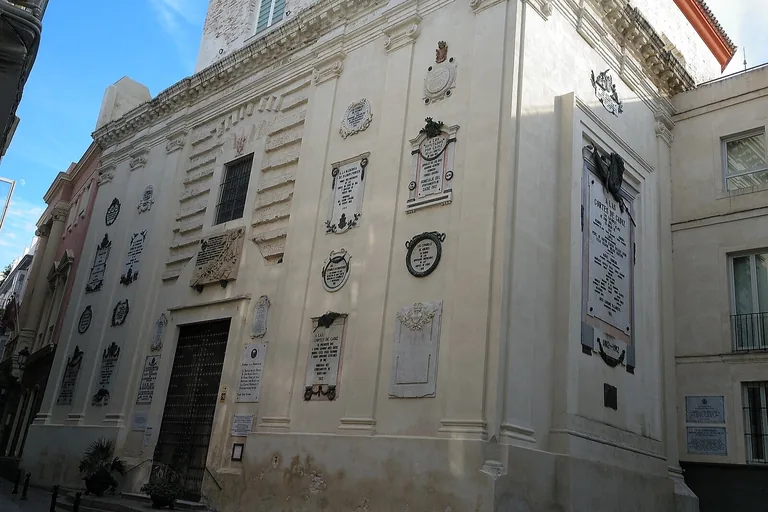
Photo: Axel Cotón Gutiérrez · Wikimedia Commons source · CC BY-SA 4.0 · Cropped to the recorded 3:2 source rectangle and resized from the exact hash-bound source input. Oratorio de San Felipe Neri
The oval Oratorio de San Felipe Neri served as the meeting room for the Cortes that produced Spain's 1812 Constitution during the French occupation. The route grounds national political history in a specific room and in deputies drawn from Spain and overseas territories. Interior entry is ticketed, and the narrow exterior pavement offers limited waiting space.
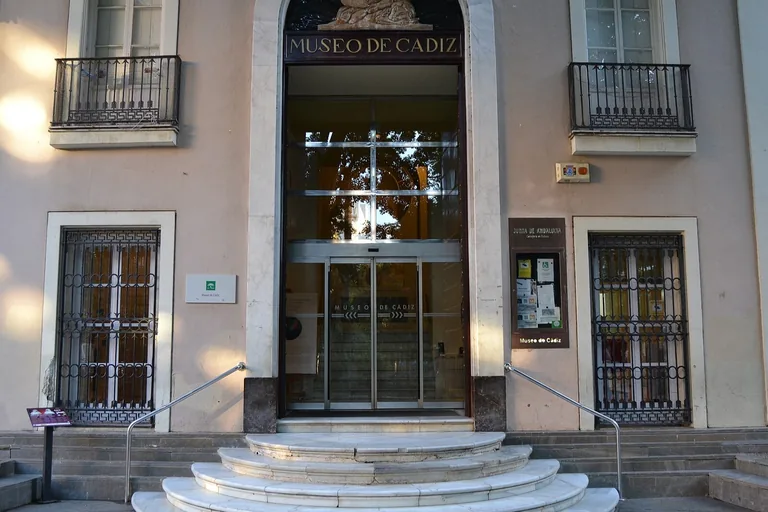
Photo: Emilio J. Rodríguez Posada · Wikimedia Commons source · CC BY-SA 2.0 · Cropped to the recorded 3:2 source rectangle and resized from the exact hash-bound source input. Museum of Cádiz
The Museum of Cádiz joins fine arts, archaeology and popular puppetry in collections shaped by confiscated convent works, chance discoveries and formal excavations. It asks how the city assembled and interpreted its past rather than treating that past as a single inheritance. Plaza de Mina is level and shaded; museum galleries have their own hours and access arrangements.
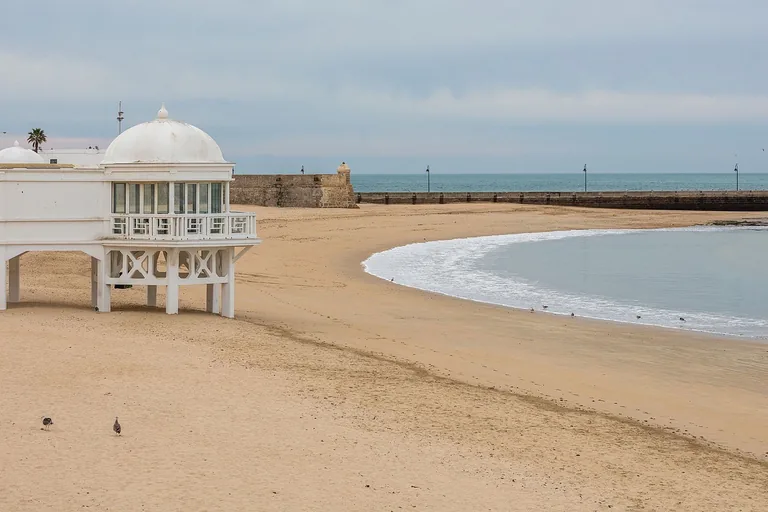
Photo: Diego Delso · Wikimedia Commons source · CC BY-SA 4.0 · Cropped to the recorded 3:2 source rectangle and resized from the exact hash-bound source input. La Caleta and Santa Catalina Castle
La Caleta occupies the ancient channel between Cádiz's former islands, framed today by seafront walls and Santa Catalina Castle. The route closes where fishing, bathing, defence, Carnival culture and local campaigns to protect the shore meet the Atlantic. The paved seafront and castle approach are level, while reaching the beach involves sand or steps.


_I_01.jpg)


_14.jpg)
_03.jpg)
.jpg)

Local context
Before you go
The published route starts at Plaza de la Constitución, s/n, Cádiz, España. It begins at Puerta de Tierra and ends at La Caleta and Santa Catalina Castle.
On the ground
Access and surfaces
The public route is mostly level and stays outside ticketed venues, but the old town has narrow pavements, polished stone and short cobbled stretches. The Roman Theatre, Gadir site, cathedrals, Torre Tavira, San Felipe Neri and Museo de Cádiz keep their own opening schedules; their interiors are optional. Torre Tavira requires a climb, and the final approach into Santa Catalina Castle can be omitted while keeping the La Caleta stop intact.
Frequently asked
Plan the walk
- How long is the Cádiz audio walking tour?
- Allow about 150 minutes. The self-guided route covers 3.2 km (2 mi) in 11 stops, including walking and listening time.
- Where does the Cádiz tour start and end?
- It starts at Plaza de la Constitución, s/n, Cádiz, España. The published route begins at Puerta de Tierra and ends at La Caleta and Santa Catalina Castle.
- Will the Cádiz audio tour work offline?
- Yes, after download. Audio, stop text, images, and GPS triggering work without data; the live map background still needs a connection.